
The Growing Challenge of Urban Flooding in India
Indian cities are growing fast; new roads, buildings, metros, and flyovers are coming up every year. But while cities are growing upward and outward, one thing often gets ignored – where will the rainwater go? Every monsoon, we see the same scenes. Roads turn into rivers, underpasses fill up within minutes, traffic stops & due to that daily life comes to a halt. This is no longer an occasional problem. This is why urban flooding in India is no longer an occasional disaster but a recurring urban problem.
Think of a city like a bucket. If water keeps pouring in but there’s no proper outlet, it will overflow. That overflow is what we experience as urban flood conditions, such as waterlogging, damaged infrastructure and disruption of essential services & this is why urban flood management is no longer optional. It has become a critical part of how modern cities must be planned, protected and maintained.
Now, first ask yourself what is Urban Flood Management? Are you completely aware of it?
Is it just about: Cleaning drains before monsoon, building bigger roads or reacting after streets are already flooded?
If that’s what came to your mind, you’re partly right, but not completely. Urban flood management is much more than quick fixes. It is the planned way cities prepare for, respond to and reduce the impact of flooding caused by heavy rainfall, overflowing drains or sudden water accumulation. Effective urban flood management looks at how rainwater moves through a city, where it gets stuck and how quickly it can be guided away without causing damage.
Now here’s a simple way to think about it- Imagine your home bathroom. If the floor drain is slow, water starts spreading everywhere. You can mop later, but the smarter solution is ensuring the drain works properly before the water overflows. Cities work the same way.
That’s why modern urban flood management solutions focus on planning and actions that prevent water from disrupting daily life. Modern urban flood management solutions combine drainage systems, temporary protection measures, and quick-response strategies.
If you didn’t think of it this way earlier, don’t worry, keep reading. The rest of this blog breaks it down step by step.
Major Causes of Urban Flooding in Indian Cities
To solve a problem, you first need to understand why it happens. Urban flooding in India is not caused by rain alone, it is caused by how cities are built.
One major reason is poor drainage. Many city drainage systems were designed decades ago, for smaller populations and lower rainfall. Today, they simply cannot handle sudden downpours, leading to urban flood situations within minutes.
Another issue is excessive concretisation. Open land that once absorbed rainwater has been replaced by concrete roads, buildings and pavements. When water has nowhere to soak into the ground, it flows directly onto streets. Encroachments on natural water channels make things worse. Streams and stormwater paths get blocked, pushing water into roads and residential areas. Add unpredictable monsoon patterns, and cities face serious pressure on their flood mitigation infrastructure.
Without addressing these root causes, flooding will continue to disrupt urban life every year.
Importance of Flood-Resilient Urban Infrastructure
Why do some cities bounce back quickly after heavy rain, while others come to a complete standstill? The answer lies in how well their infrastructure is prepared. Cities designed with flood resilient infrastructure are built to handle excess water without shutting down daily life. Roads remain usable, public transport stays functional and essential services continue even during intense rainfall.
A flood resilient infrastructure approach recognises that flooding cannot always be prevented, but its impact can be reduced. Roads, public buildings, transport corridors and utilities need protection systems that allow them to remain functional during heavy rainfall. Strong flood protection systems also help cities recover faster after water levels recede.
Just like wearing a raincoat doesn’t stop the rain but keeps you dry, flood-resilient infrastructure protects essential urban assets even during extreme weather. Building such resilience is increasingly important for Indian cities facing frequent and unpredictable rainfall events.
Modern Urban Flood Management Solutions for Cities
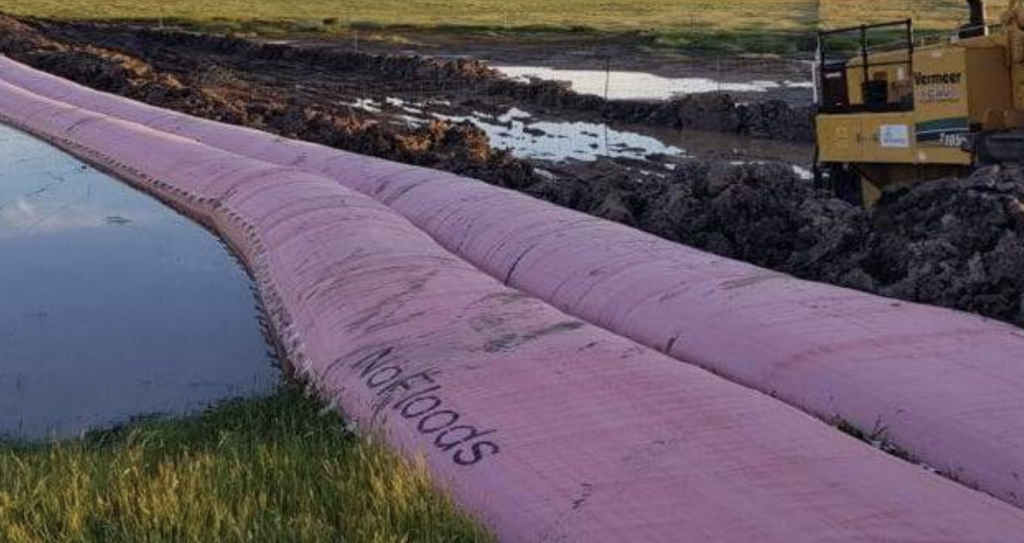
Modern cities cannot rely on one solution to handle flooding. Effective urban flood management solutions work best when multiple systems support each other. Just like traffic control needs signals, dividers, and rules together, flood control also needs a combination of measures. One important step is upgrading drainage networks so rainwater moves out quickly instead of collecting on roads. Along with this, monitoring systems help city authorities track water levels in real time and respond before situations worsen. Now, permanent construction is not always practical in busy urban areas where space is limited and disruption must be minimal so this is where flexible flood protection systems play a role, they can be deployed when needed and removed once the situation is under control.
So the real question for cities is not whether flooding will happen, but how prepared are their systems when it does? Well-planned urban flood management solutions answer this by combining long-term planning with quick-response protection.
Role of Inflatable Flood Barriers in Urban Flood Management
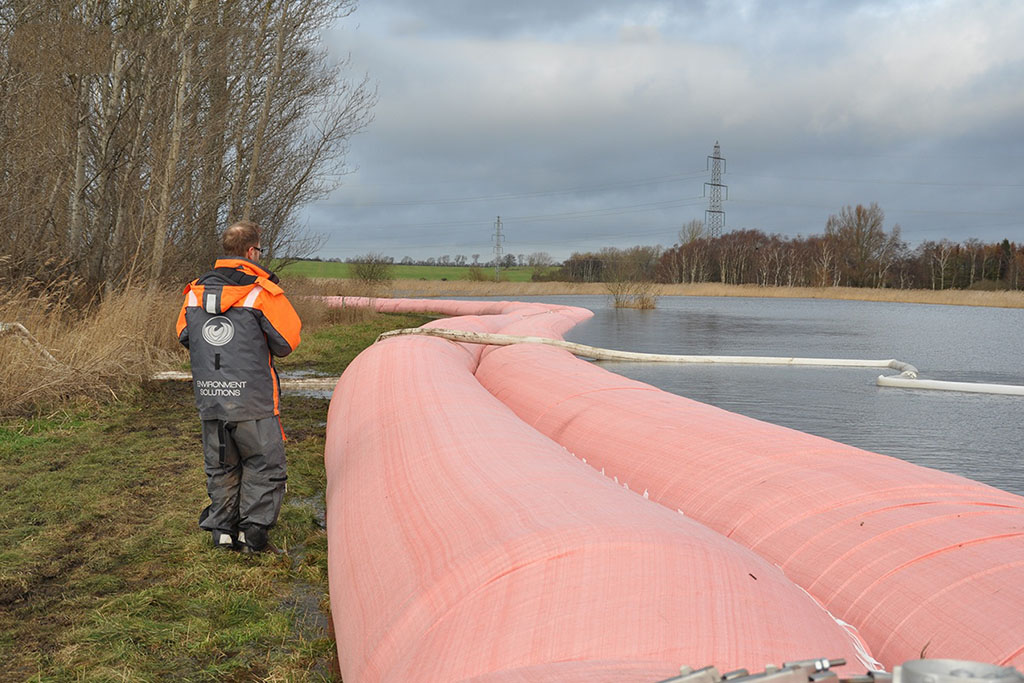
During heavy rainfall, some city locations flood almost every year. It enters underpasses, low-lying roads, metro entrances and basement parking areas within minutes. In such situations, cities need something that works immediately not after weeks of construction. This is where inflatable flood barriers become useful in urban flood management. These barriers work like a temporary wall against water. When there is a risk of flooding, they are placed at entry points where water usually rushes in. Once filled with water or air, they become heavy and stable, stopping floodwater from crossing into protected areas.
A simple comparison helps here. When a shopkeeper knows rainwater flows into the shop every monsoon, they place a raised wooden or rubber strip at the entrance during heavy rain. It’s not permanent, but it works. Inflatable flood barriers perform the same role for cities, just at a much larger scale because inflatable flood barriers are easy to install and remove, they are especially useful for urban roads, underpasses and public spaces.
How Signet’s No-Flood Barriers Support Urban Flood Protection
You have an important meeting to attend or maybe an exam you’ve prepared for all year. Now, you step out and the road is flooded, the underpass ahead is blocked & traffic is stuck. This is exactly how urban flooding affects cities & no, not as a technical problem, but as a daily life disruption. When water enters roads, public buildings and commercial areas, it doesn’t just damage infrastructure, it delays work, shuts down services and creates chaos within minutes.
This is where Signet EnerTech’s No-Flood Barriers play a practical role in urban flood protection. Designed for rapid deployment, these barriers help stop floodwater at critical entry points before it spreads. Instead of waiting for permanent construction or emergency repairs, cities get a quick, reliable layer of flood protection systems that works when it matters most.
A key advantage is that these barriers are reusable. Just like traffic cones are used again and again for different situations, No-Flood Barriers can be deployed whenever required and stored once the risk passes. This makes them suitable for long-term flood mitigation infrastructure without permanent construction.
In Indian cities, No-Flood Barriers can be used on flood-prone roads, metro underpasses, commercial districts and industrial zones. By protecting these high-risk areas, cities can reduce disruption, protect infrastructure and respond more efficiently during an urban flood event.
More details about Signet’s No-Flood Barriers can be explored here:
Learn more: https://signet.co.in/environmental-solutions/no-flood-barriers/
Smart City Flood Solutions & the Future of Urban Flood Management
Smart city flood solutions are about using information to act at the right time. For example, if weather data already shows heavy rainfall coming, should cities wait for roads to flood before responding?
Ask yourself this:
If water always enters the same underpass every year, shouldn’t there already be a plan in place?
If you know it will rain heavily, you keep your important books away from the floor. Cities need to do the same. They need systems that warn them early, show where water is rising and help them act fast. This is how smart city flood solutions actually work on the ground. The future of flood resilient infrastructure depends on flexible systems that can be deployed quickly and removed once the risk passes. Instead of rebuilding cities after every flood, smart cities focus on adapting & protecting key areas when needed and staying functional during extreme weather.
Remember “Preparation always costs less than repair”
Conclusion: Building Flood-Resilient Indian Cities
Flooding cannot be stopped completely, just like rain cannot be controlled. But damage can be reduced if cities prepare in advance. This is the real goal of urban flood management.
Cities that plan ahead and use reliable flood protection systems reduce disruption to daily life, transport and public safety. These systems work quietly in the background, but their impact is visible when heavy rain hits. With experience across infrastructure, environment, and engineering, Signet EnerTech supports practical flood protection approaches that cities can actually use. Building flood-resilient cities starts with asking the right questions & and preparing before the water arrives.
Frequently Asked Questions
1. What is urban flood management?
Urban flood management is the planning and use of systems to prevent, control, and reduce flooding in cities caused by heavy rainfall and poor drainage.
2. What causes urban flooding in Indian cities?
Major causes include poor drainage systems, excessive concretisation, blocked natural water channels, rapid urbanisation, and unpredictable monsoon rainfall.
3. Why is flood-resilient infrastructure important?
Flood-resilient infrastructure helps cities remain functional during heavy rainfall by protecting roads, buildings, and public services from water damage.
4. What are inflatable flood barriers?
Inflatable flood barriers are temporary, easy-to-deploy barriers that block floodwater from entering roads, underpasses, buildings, and critical infrastructure.
5. Where can flood barriers be used in cities?
Flood barriers can be used in underpasses, metro entrances, roads, basements, commercial areas, and other flood-prone locations.
6. How do modern flood management solutions help cities?
They combine drainage systems, monitoring tools, and quick-deployment barriers to reduce flooding impact and protect urban infrastructure.
7. How do Signet’s No-Flood Barriers help prevent flooding?
Signet’s No-Flood Barriers provide rapid, reusable protection that stops floodwater from entering critical areas and reduces disruption during heavy rainfall.