
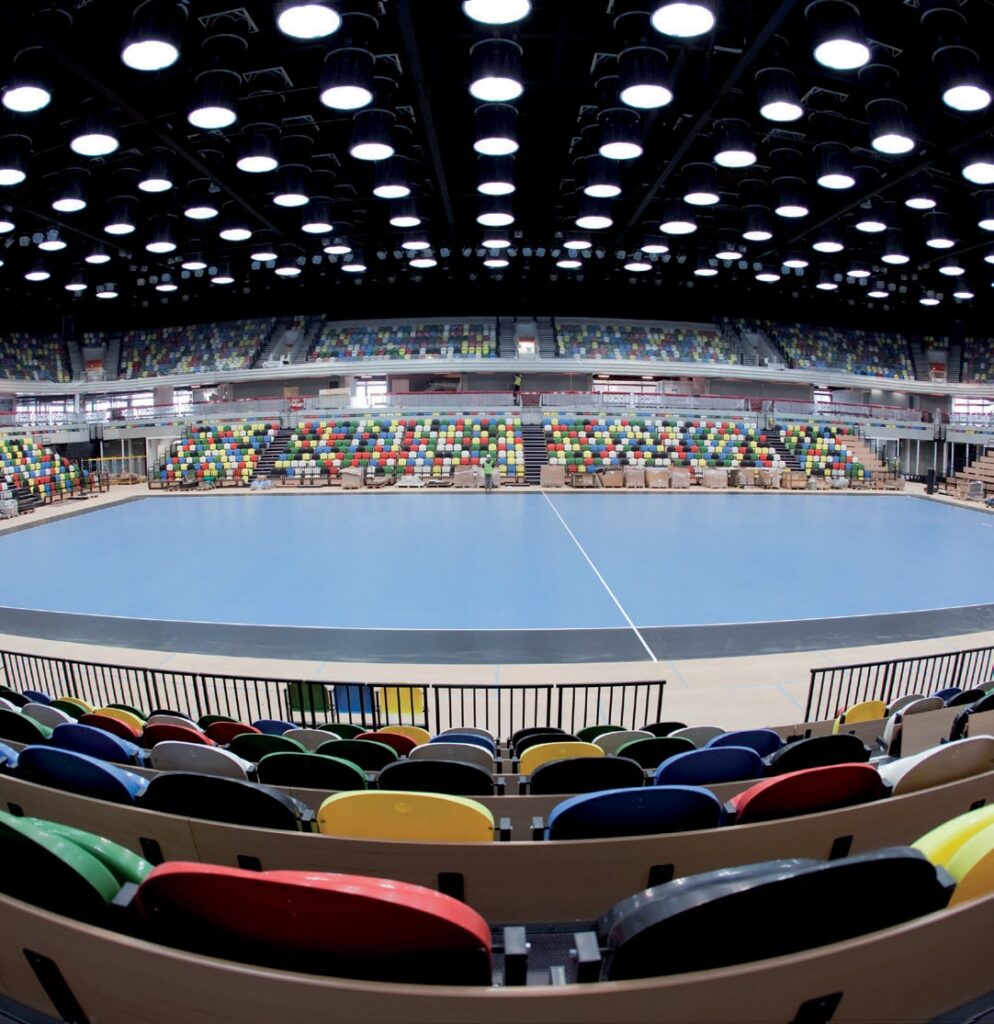
Key Takeaways
- A modern daylighting system helps buildings use sunlight instead of electricity during the day.
- The Signet Sunpipe daylighting system brings natural light inside using a pipe, without heat and without power.
- Helps achieve GRIHA Rating, LEED v4.1 credit, and IGBC Green Factory Building certification.
- Improves daylight metrics like Daylight Autonomy, Useful Daylight Illuminance, and Visible Light Transmittance.
- Reduces electricity use, cooling load, and supports carbon footprint reduction.
- Works as a maintenance-free asset unlike normal skylights.
- Provides glare-free natural light that improves comfort and productivity.
Introduction: Why Modern Buildings Need a Better Daylighting System
In most factories, offices, and warehouses, lights stay ON even during daytime, not because sunlight is not available, but because sunlight does not reach inside properly. Windows only light the area near the wall, traditional skylights bring too much heat and electric lights increase power bills and cooling load.
This is why modern buildings are using a daylighting system, a solution that brings natural sunlight inside without increasing temperature.
Today, sustainable buildings are designed to reduce electricity use and meet Net-Zero energy goals. To do that, architects prefer advanced daylighting systems for buildings instead of depending only on artificial lighting.
A good daylighting system helps in:
- Lower electricity consumption
- Lower cooling load
- Better indoor comfort
- Carbon footprint reduction
- Green building certification
The Signet Sunpipe daylighting system is designed exactly for this purpose. It brings sunlight deep inside the building using a reflective pipe, so lights can stay OFF during the day without making the building hot. This makes it a smart solution for sustainable architecture and energy-efficient buildings.
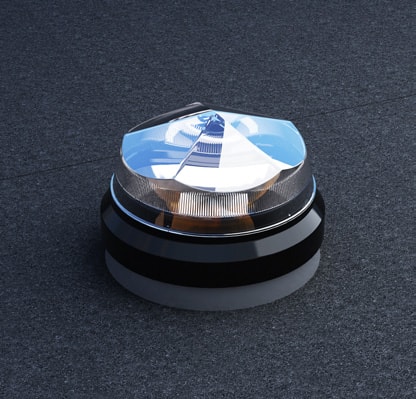
Anatomy of Excellence: How the Signet Sunpipe Works
The Signet Sunpipe works on a simple principle: Capture → Transfer → Diffuse
You can think of it like a pipe that carries sunlight from the roof to the inside of the building.
Capture: Collect sunlight from the roof
At the top, a clear dome captures sunlight from all directions. This dome is designed to allow high Visible Light Transmittance (VLT), which means more light enters but heat stays controlled. Compared to normal skylights, this works better because it allows light but supports thermal heat gain control. This is why Sunpipes are better than basic solar tubes, solar tube skylight, or a simple natural daylight pipe.
Transfer: Move light through a high-reflective pipe
After sunlight is captured, it travels through a special pipe. Inside the pipe is a high-reflectivity lining that reflects light again and again without losing brightness.
Because of this, sunlight can travel long distances inside the building.
This makes the system useful for:
- Factories
- Warehouses
- Airports
- Commercial buildings
- Schools
- Hospitals
This technology performs similar to a fibre optic daylighting system, where light is transferred efficiently through a controlled path. Compared to normal tubular daylighting devices, industrial tubular skylights, or standard tubular skylight, the Signet Sunpipe gives stronger light with less heat.
Diffuse: Spread light evenly inside
At the ceiling, a diffuser spreads the light across the room. This makes the light even, comfortable, glare-free, soft & natural; Because the light is diffused, there are no bright spots or shadows, this creates glare-free natural light, which is better for working environments. The result is a powerful daylighting system that works without electricity during the day.
The ESG & Compliance Edge: How Sunpipe Helps in LEED and GRIHA Certification
Today, lighting is not only about brightness. It also affects green building certification and ESG reporting.
Projects aiming for
- GRIHA Rating
- LEED v4.1 credit
- IGBC Green Factory Building
must show that the building uses natural light efficiently.
A good solar skylight tube or skylight tube can help, but high-performance systems like Signet Sunpipe give better results because the light is controlled.
Green building certifications check lighting using metrics like:
- Daylight Autonomy (DA)
Shows how often the building can work without electric lights. Higher DA means lower electricity use. - Useful Daylight Illuminance (UDI)
Checks if the light level is comfortable.
Too low = dark
Too high = glare
Sunpipe gives balanced light, so UDI improves. - Annual Sunlight Exposure (ASE)
Measures excess sunlight that can cause heat because Sunpipe controls heat, ASE stays within limits. - Visible Light Transmittance (VLT)
Shows how much light enters the building. High VLT means better daylight performance.
By improving these values, the Signet Sunpipe daylighting system helps projects score better in green building ratings. For ESG teams, this means easier compliance and better sustainability reporting.
Operational ROI: Save Electricity Without Maintenance
Electric lights need power every day. Skylights need cleaning and often cause leakage. Glass roofs increase heat and raise AC cost. This is why many buildings avoid skylights even though they want natural light.
The Signet Sunpipe works differently. It acts like a maintenance-free asset. Once installed, it keeps working without electricity and without regular servicing.
Because lights stay OFF during daytime, buildings get:
- Lighting energy savings
- HVAC load reduction
- Lower electricity bills
- Lower cooling cost
- Lower generator usage
Less electric light also means less heat inside the building. This helps reduce air-conditioning load. Compared to normal industrial skylights, natural light tubular skylights, or simple natural light tubular skylight, Sunpipe gives better performance with less cost.
For large buildings, this means real operational savings every year.
Biophilic Impact: Natural Light Improves Comfort and Productivity
People feel better in natural light. Working under artificial light all day can cause:
- Eye strain
- Fatigue
- Headache
- Low productivity
A good daylighting system provides natural light that supports the body’s natural cycle. This is called circadian rhythm lighting. The Signet Sunpipe gives full-spectrum natural light without glare because when the light is diffused, it becomes soft, comfortable, even & natural & this improves occupant well-being in Offices, Schools, Factories, Hospitals & Warehouses
Unlike open skylights, Sunpipe gives natural light without overheating the space. This keeps the indoor environment bright but cool.
Conclusion
Modern buildings must save energy, reduce emissions, and meet green certification standards. Lighting plays a big role in this. Instead of using electricity during the day, buildings can use sunlight with a proper daylighting system.
The Signet Sunpipe daylighting system makes this easy by bringing natural light inside through a reflective pipe that controls heat and spreads light evenly.
It helps projects achieve:
- GRIHA Rating
- LEED v4.1 credit
- IGBC Green Factory Building certification
- Lower power consumption
- Lower cooling load
- Carbon footprint reduction
- Better indoor comfort
Most importantly, it works without electricity and without maintenance.
That is why the Signet Sunpipe is not just a lighting product. It is a smart engineering solution for sustainable buildings and Net-Zero future.
Frequently Asked Question (FAQs)
1. What is a daylighting system?
A daylighting system is a building design solution that uses natural sunlight to illuminate indoor spaces, reducing the need for artificial lighting. It includes technologies like windows, skylights, and advanced systems such as sunpipes that bring sunlight deep inside buildings without increasing heat.
2. What is the daylight system?
A daylight system refers to any method or technology used to capture, transfer, and distribute natural daylight inside a building. It helps improve energy efficiency, indoor comfort, and sustainability by reducing dependence on electric lighting.
3. What does daylighting mean?
Daylighting means using natural sunlight to light up indoor spaces through architectural design and systems. It improves visibility, reduces electricity consumption, and enhances occupant well-being.
4. What is the concept of daylighting?
The concept of daylighting is to maximize the use of natural light while controlling heat and glare. It involves capturing sunlight, directing it indoors, and diffusing it evenly to create a comfortable and energy-efficient environment.
5. What is an example of daylighting?
An example of daylighting is a warehouse using skylights or sunpipes to illuminate the interior during the day, allowing lights to remain OFF and saving energy.
6. What is the purpose of daylighting?
The purpose of daylighting is to use natural sunlight to reduce energy consumption, improve indoor comfort, and create sustainable buildings while minimizing reliance on artificial lighting.